Understanding PCB Assembly Main: The Heart of Electronic Devices
Winnie King
In today’s hyper-connected world, electronic devices are everywhere — from smartphones and smartwatches to industrial automation systems and medical equipment. At the heart of every electronic device lies a crucial component known as the pcb assembly main. This term may seem technical at first glance, but it refers to one of the most vital building blocks in modern electronics: the main printed circuit board (PCB) that integrates and controls all essential functions.
Whether you're an engineer designing a new product, a procurement manager sourcing components, or simply curious about how your gadgets work, understanding the concept of pcb assembly main is fundamental. In this comprehensive guide, we’ll explore what exactly “main” means in the context of PCBs, why the main board assembly, main control board assembly, and main PCB are so important, and how they shape the performance, reliability, and scalability of electronic systems.
We’ll also dive into manufacturing processes, quality assurance practices, industry applications, and best practices for selecting the right pcb assembly main solution for your project.
What Is Meant by "PCB Assembly Main"?
The phrase "pcb assembly main" isn’t just marketing jargon — it's a functional descriptor used across engineering and manufacturing circles to identify the primary circuit board within an electronic system. But what makes a PCB “main”? And why does it matter?
Defining the Main Board in Electronics
At its core, the main board assembly serves as the central nervous system of any electronic device. It connects microprocessors, memory modules, power regulators, input/output interfaces, sensors, and other peripheral components into a cohesive unit capable of executing complex operations.
For example:
- In a desktop computer
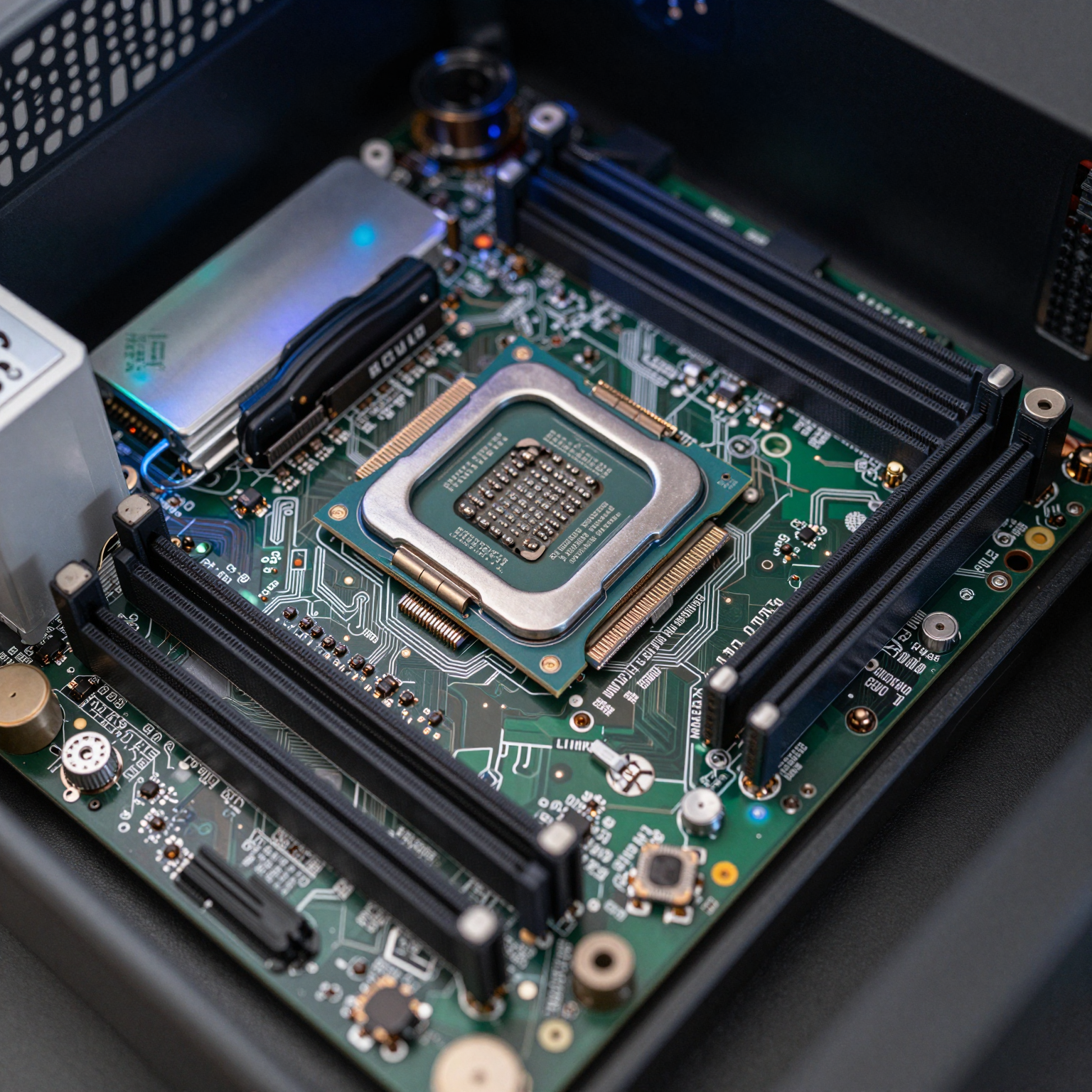
, the main PCB is the motherboard.
- In a washing machine
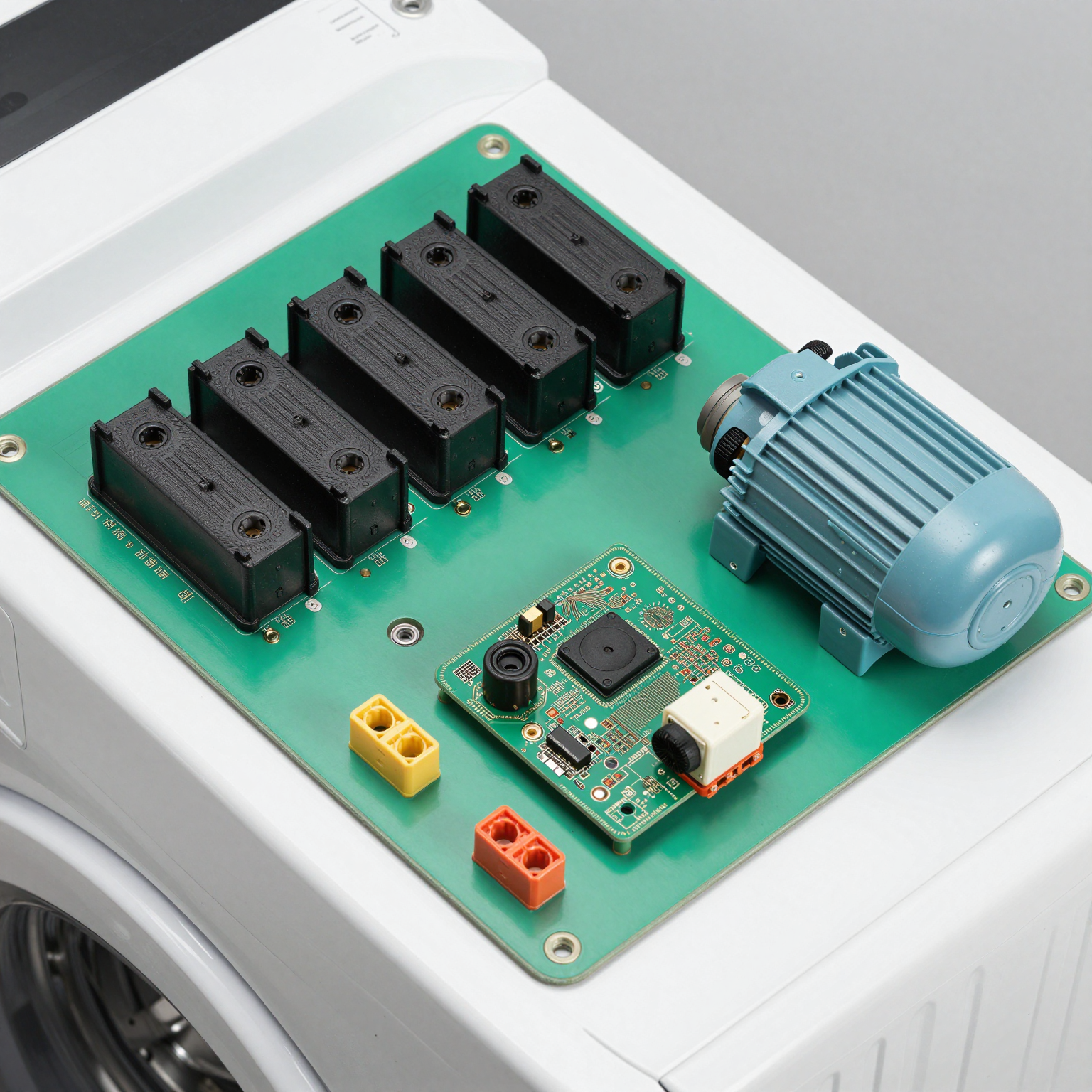
, it’s the main control board assembly that manages wash cycles, water levels, motor speed, and user interface inputs.
- In an electric vehicle
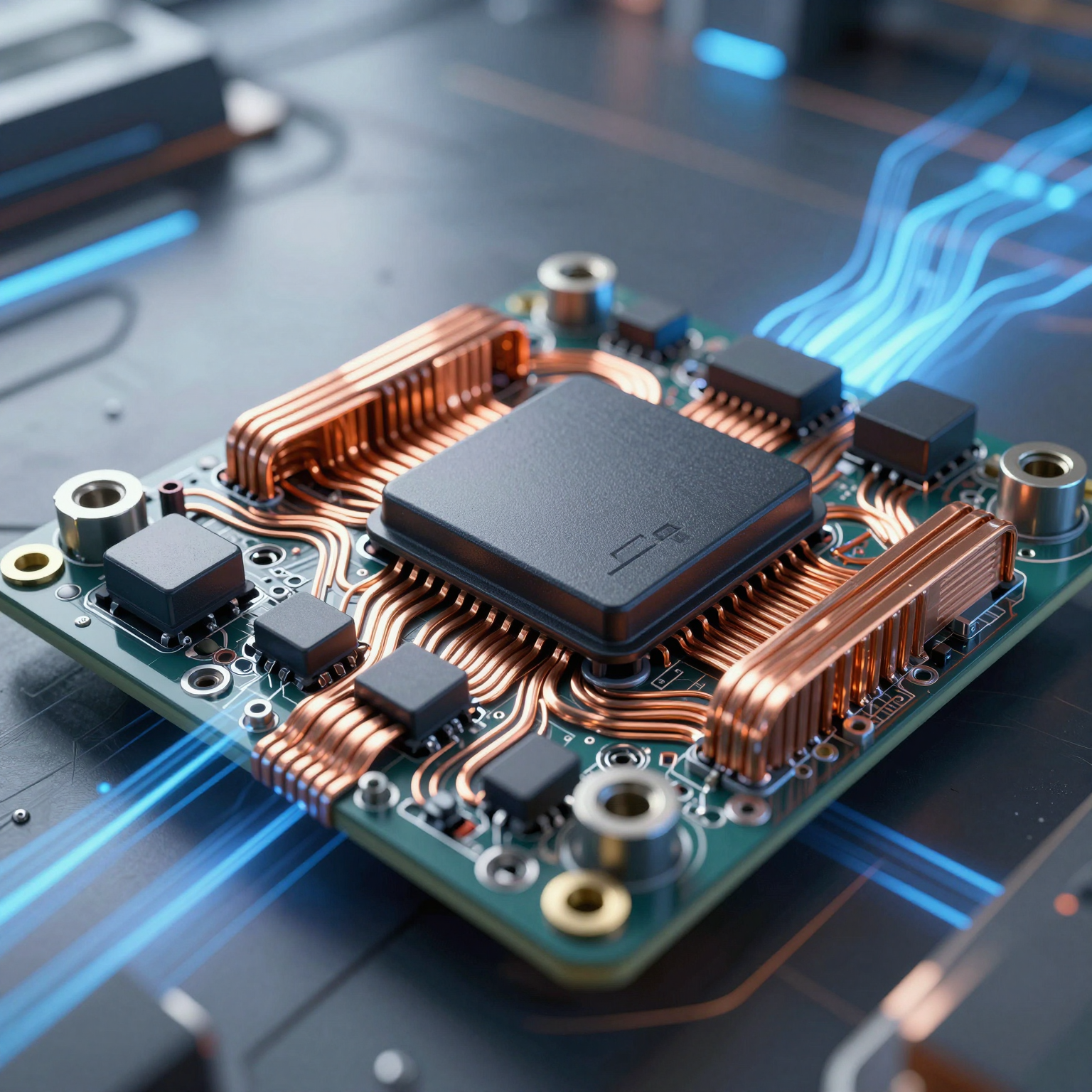
, the pcb assembly main might manage battery charging, motor control, regenerative braking, and communication with onboard diagnostics.
This board is typically the largest and most densely populated PCB in the system. It often features multiple layers (4-layer, 6-layer, or even 20+ layer boards), high-density interconnects (HDI), and advanced surface finishes like ENIG or immersion silver to ensure signal integrity and long-term durability.
Key Characteristics of a Main PCB
A true main PCB possesses several distinguishing characteristics:
- Centralized Control Functionality: It hosts the primary processor or microcontroller responsible for orchestrating device behavior.
- High Component Density: It integrates numerous active and passive components such as ICs, resistors, capacitors, connectors, and sometimes embedded firmware.
- Interfacing Hub: It acts as a bridge between various subsystems — connecting displays, sensors, motors, communication modules (Wi-Fi, Bluetooth, CAN bus), and power supplies.
- Robust Power Management: It includes voltage regulators, DC-DC converters, and filtering circuits to distribute clean, stable power throughout the system.
- Thermal and Mechanical Resilience: Due to higher current loads and heat generation, main board assembly designs must account for thermal dissipation using copper pours, heatsinks, or thermal vias.
These attributes make the pcb assembly main not only technically complex but also mission-critical. A failure in the main board can render the entire device non-functional.
Why the Main Control Board Assembly Matters
Among all PCBs in a multi-board system, the main control board assembly holds special significance because it governs operational logic and decision-making. Unlike secondary boards that perform localized tasks (e.g., a keypad interface board or sensor conditioning board), the main control board assembly interprets data, executes commands, and coordinates responses.
Role in Embedded Systems
In embedded systems — which form the backbone of IoT devices, automotive electronics, robotics, and industrial controllers — the main control board assembly runs real-time operating systems (RTOS) or bare-metal firmware. It receives input from sensors, processes information via algorithms, and sends output signals to actuators or display units.
Consider a smart thermostat:
- Temperature and humidity sensors feed data to the main PCB.
- The processor on the main board assembly compares readings against setpoints.
- Based on the results, it activates heating or cooling systems through relay outputs.
- Simultaneously, it updates the LCD screen and communicates with a smartphone app via Wi-Fi.
All these actions originate from decisions made on the pcb assembly main, making it indispensable for intelligent operation.
Integration with Communication Protocols
Modern main control board assemblies support a wide array of communication standards:
- I²C and SPI for short-range chip-to-chip communication
- UART/RS-232/RS-485 for serial data transfer
- CAN bus in automotive and industrial networks
- Ethernet, USB, Bluetooth, and Wi-Fi for network connectivity
These protocols allow the main PCB to interact seamlessly with both internal and external systems. For instance, in a factory automation setup, the main board assembly might use Modbus over RS-485 to communicate with PLCs while simultaneously logging data to a cloud server via Ethernet.
Without robust protocol implementation during pcb assembly main development, interoperability suffers, leading to latency, data loss, or complete system failure.
Components Found on a Typical PCB Assembly Main
To appreciate the complexity of a main board assembly, let’s examine some of the key components commonly found on a main PCB.
Central Processing Units (CPUs) and Microcontrollers (MCUs)
The brain of the main control board assembly is usually a CPU or MCU. These integrated circuits execute instructions stored in flash memory or RAM. Common examples include:
- ARM Cortex-M series MCUs for low-power applications
- Intel Atom or AMD Ryzen Embedded processors for high-performance computing
- ESP32 or STM32 chips in IoT and consumer electronics
Proper placement, decoupling, and grounding of these components are critical during pcb assembly main layout to prevent noise interference and ensure reliable clocking.
Memory Modules
Memory plays a pivotal role in the functionality of the main PCB:
- RAM (Random Access Memory): Used for temporary data storage during program execution.
- Flash Memory: Stores firmware, configuration files, and boot code.
- EEPROM: Retains small amounts of data even when power is off (e.g., calibration settings).
High-speed memory interfaces require careful trace routing to maintain timing margins and avoid signal degradation — especially important in HDI main board assembly designs.
Power Supply Circuits
Since the main control board assembly powers itself and often distributes energy to other subsystems, efficient power management is essential. Typical power-related components include:
- Voltage Regulators (LDOs and Switching Regulators): Convert input voltages (e.g., 12V or 24V) to stable 3.3V or 5V levels.
- DC-DC Converters: Provide isolated or non-isolated step-up/down conversion.
- Fuses and TVS Diodes: Protect against overcurrent and transient voltage spikes.
Designers must consider efficiency, thermal performance, and electromagnetic compatibility (EMC) when integrating these elements into the pcb assembly main.
Connectors and Interfaces
Physical and electrical connections are facilitated through various types of connectors mounted on the main PCB:
- Board-to-Board Connectors: Link the main board assembly with daughterboards.
- RJ45 Ethernet Ports: Enable wired networking.
- USB Type-A/C: Support peripheral attachment and charging.
- GPIO Headers: Allow customization and expansion.
Connector selection impacts mechanical stability, mating cycles, and EMI shielding — all crucial factors in rugged environments.
Passive Components
While less glamorous than processors, passive components like resistors, capacitors, and inductors are equally vital. They serve roles in:
- Filtering noise from power lines
- Impedance matching in RF circuits
- Timing circuits (in conjunction with crystals)
- Pull-up/pull-down configurations for digital I/O
Surface mount technology (SMT) allows thousands of these tiny parts to be placed precisely on the main PCB during automated assembly.
How PCB Assembly Main Differs from Secondary Boards
It’s important to distinguish the pcb assembly main from auxiliary or secondary PCBs in a system. While all boards contribute to overall functionality, their roles, complexity, and impact differ significantly.
| Feature | Main Board Assembly | Secondary Board |
|---|---|---|
| Primary Function | System control and coordination | Localized task execution |
| Processor Presence | Yes (CPU/MCU) | Rarely; if present, it's a simple logic chip |
| Component Count | High (hundreds to thousands) | Low to moderate |
| Layer Count | Often 4+ layers | Usually 1–2 layers |
| Cost | Higher due to complexity | Lower |
| Failure Impact | Device becomes unusable | Limited function loss |
For example, in a multifunction printer:
- The main control board assembly manages print jobs, scanner operations, network connectivity, and user interface.
- A secondary board might handle only the paper feed mechanism or ink level detection.
Thus, while secondary boards enhance modularity and ease of repair, the main PCB remains the cornerstone of system intelligence.
Design Considerations for PCB Assembly Main
Creating a reliable and high-performing main board assembly requires meticulous planning and adherence to best practices in PCB design.
Signal Integrity and EMI Mitigation
With high-speed signals traversing the main PCB, maintaining signal integrity is paramount. Poor design can lead to crosstalk, reflection, jitter, and data corruption.
Key strategies include:
- Impedance-controlled routing for differential pairs (e.g., USB, HDMI, PCIe)
- Use of ground planes to reduce loop area and suppress EMI
- Proper termination techniques (series or parallel resistors)
- Minimizing vias and stubs in high-frequency paths
Simulation tools like SPICE or HyperLynx help predict signal behavior before fabrication.
Thermal Management
Heat buildup is a major concern in main control board assembly due to concentrated power consumption. Excessive temperatures can degrade component lifespan and cause thermal runaway.
Effective thermal solutions involve:
- Strategic placement of heat-generating components (like power MOSFETs)
- Incorporation of thermal vias beneath BGA packages
- Use of metal-core PCBs or heatsinks where necessary
- Ensuring adequate airflow in enclosed systems
Thermal imaging during testing helps validate design assumptions.
Design for Manufacturability (DFM)
Even the most elegant pcb assembly main design fails if it cannot be manufactured efficiently. DFM principles ensure smooth production:
- Maintaining appropriate spacing between components
- Using standard package sizes compatible with SMT lines
- Avoiding overly tight pitch components unless absolutely necessary
- Including fiducial markers for automated optical inspection (AOI)
Collaboration between designers and contract manufacturers early in the process prevents costly redesigns later.
Design for Testability (DFT)
Testing the main board assembly after production is essential for quality assurance. DFT involves:
- Adding test points for probing critical signals
- Implementing JTAG or SWD interfaces for firmware debugging
- Including LED indicators for status monitoring
- Supporting boundary scan testing for complex ICs
These features streamline troubleshooting and improve yield rates.
Manufacturing Process of PCB Assembly Main
Producing a pcb assembly main involves two major phases: PCB fabrication and PCB assembly. Each phase demands precision, specialized equipment, and rigorous quality control.
Step 1: PCB Fabrication
Before components are added, the bare main PCB must be fabricated. This process includes:
- Substrate Preparation: Starting with FR-4 or high-frequency laminates.
- Copper Cladding and Etching: Creating conductive traces through photolithography.
- Drilling and Plating: Forming plated-through holes (PTHs) for interlayer connectivity.
- Solder Mask Application: Coating the board to protect copper and prevent solder bridges.
- Silkscreen Printing: Adding labels, logos, and reference designators.
- Surface Finish: Applying HASL, ENIG, or OSP to exposed pads for better solderability.
Advanced main PCBs may require blind/buried vias, sequential lamination, or impedance tuning — capabilities offered by experienced PCB manufacturing services.
Step 2: Component Placement and Soldering
Once the bare board is ready, the pcb assembly main moves into the assembly stage. Two dominant methods are used:
Surface Mount Technology (SMT)
SMT dominates modern main board assembly due to its ability to place small, dense components accurately. The process involves:
- Solder Paste Printing: Stenciling paste onto pads via a laser-cut stencil.
- Pick-and-Place: High-speed machines position components at precise locations.
- Reflow Soldering: Heating the board in a controlled oven to melt solder and form joints.
SMT enables the placement of 0201-sized resistors, QFNs, BGAs, and fine-pitch ICs — common in today’s compact main control board assembly designs.
Through-Hole Technology (THT)
Though largely supplanted by SMT, THT is still used for components requiring mechanical strength or high current capacity, such as:
- Large electrolytic capacitors
- Terminal blocks
- Transformers
- Relays
THT involves inserting leads through holes and soldering them on the opposite side, either manually or via wave soldering.
Many pcb assembly main projects use a hybrid approach — combining SMT for density and THT for durability.
Step 3: Inspection and Testing
After assembly, each main PCB undergoes thorough inspection and testing:
- Automated Optical Inspection (AOI): Detects missing, misaligned, or damaged components.
- X-Ray Inspection: Essential for verifying BGA solder joints hidden under the package.
- In-Circuit Testing (ICT): Checks continuity, shorts, opens, and component values.
- Functional Testing: Validates actual operation under simulated conditions.
Only units passing all tests proceed to packaging and shipment.
Quality Assurance in Main Board Assembly
Given the critical nature of the pcb assembly main, quality assurance cannot be an afterthought. Manufacturers employ multi-stage QA protocols to minimize defects and ensure long-term reliability.
IPC Standards Compliance
Reputable pcb assembly main producers adhere to IPC-A-610 and IPC-J-STD-001 standards, which define acceptability criteria for electronic assemblies. These cover:
- Solder joint appearance
- Component alignment
- Cleanliness requirements
- Conformal coating thickness
Compliance ensures consistency across production batches.
Environmental Stress Screening (ESS)
To simulate real-world conditions, finished main control board assemblies may undergo ESS, including:
- Thermal cycling (-40°C to +85°C)
- Vibration and shock testing
- Humidity exposure
- Burn-in testing (operating under load for extended periods)
Such screening identifies latent defects before deployment.
Traceability and Documentation
Full traceability — from raw materials to final test logs — is maintained for each main PCB. This includes:
- Lot numbers of components and PCBs
- Date/time stamps of each manufacturing step
- Operator IDs and machine settings
- Test reports and certification documents
This documentation supports root cause analysis in case of field failures and is mandatory in regulated industries like aerospace and medical devices.
Applications of PCB Assembly Main Across Industries
The pcb assembly main finds application across virtually every sector that relies on electronics. Let’s explore some key domains.
Consumer Electronics
Smartphones, tablets, laptops, wearables, and home appliances all depend on sophisticated main board assembly designs. Miniaturization, low power consumption, and wireless integration drive innovation here.
Example: The iPhone’s main PCB packs cellular radios, GPU, CPU, camera processors, and touch controllers into a space smaller than a credit card.
Industrial Automation
In factories and processing plants, main control board assembly units manage PLCs, HMIs, motor drives, and safety interlocks. Ruggedness, noise immunity, and deterministic response times are critical.
Standards like IEC 61131-3 govern programming and functionality.
Automotive and EVs
Modern vehicles contain dozens of ECUs (Electronic Control Units), each centered around a main PCB. Functions include:
- Engine management
- Transmission control
- ADAS (Advanced Driver Assistance Systems)
- Infotainment systems
With the rise of electric vehicles, pcb assembly main designs now handle high-voltage battery management, regenerative braking, and fast-charging protocols.
Medical Devices
Patient monitors, infusion pumps, imaging systems, and diagnostic equipment rely on ultra-reliable main control board assembly solutions. Regulatory compliance (FDA, CE Mark) and fault tolerance are top priorities.
Redundancy, fail-safe modes, and biocompatible materials may be required depending on the application.
Aerospace and Defense
In avionics and military hardware, main PCBs must operate reliably under extreme conditions — high G-forces, radiation, temperature swings, and vibration.
Use of conformal coatings, hermetic sealing, and MIL-PRF-31032 certified manufacturing is standard practice.
Choosing the Right PCB Assembly Manufacturer for Your Main Board Project
Selecting a capable partner for pcb assembly main production is crucial for success. Not all manufacturers have the expertise or infrastructure to handle complex, high-reliability boards.
Key Selection Criteria
When evaluating potential vendors, consider the following:
Technical Capabilities
- Can they produce HDI, rigid-flex, or ultra-fine pitch boards?
- Do they support advanced packaging like µBGA or 01005 components?
- Are they equipped for mixed-technology (SMT + THT) assembly?
Quality Certifications
Look for ISO 9001, IATF 16949 (automotive), ISO 13485 (medical), or AS9100 (aerospace) certifications.
Turnkey vs. Consignment Models
Some companies offer full turnkey services — handling component sourcing, assembly, and testing. Others work on consignment, where you supply all parts.
Turnkey reduces logistics burden but requires trust in the manufacturer’s procurement network.
Scalability and Lead Times
Ensure the manufacturer can scale from prototypes to mass production without compromising quality. Fast turnaround for NPI (New Product Introduction) is valuable during development.
Customer Support and Engineering Collaboration
The best partners provide DFM feedback, collaborate on design improvements, and offer transparent communication throughout the lifecycle.
One such trusted provider offering comprehensive PCB assembly services is Suntop Electronics, known for delivering reliable PCBA solutions tailored to diverse industry needs.
Future Trends Shaping PCB Assembly Main Development
As technology evolves, so too does the landscape of pcb assembly main design and manufacturing. Several emerging trends are redefining what’s possible.
Increased Use of AI and Machine Learning
AI-powered tools are being integrated into the design and testing phases:
- Predictive DFM analysis using machine learning models
- Automated layout optimization based on thermal and electrical simulations
- AI-driven AOI systems that learn defect patterns over time
These advancements reduce human error and accelerate time-to-market.
Advancements in HDI and Fan-Out Packaging
High-Density Interconnect (HDI) technology enables smaller, faster, and more powerful main PCBs. Features like microvias, stacked vias, and buried capacitance layers allow greater functionality in reduced footprints.
Fan-out wafer-level packaging (FOWLP) takes this further by embedding dies directly into the substrate, eliminating traditional wire bonding.
Sustainability and Green Manufacturing
Environmental concerns are pushing the industry toward greener practices:
- Lead-free soldering (RoHS compliance)
- Recyclable substrates and bio-based laminates
- Energy-efficient manufacturing processes
- Reduced chemical waste in plating and etching
Companies investing in sustainable pcb assembly main production not only meet regulatory demands but also appeal to eco-conscious consumers.
Modular and Reconfigurable Designs
To extend product lifecycles and support upgrades, some manufacturers are adopting modular main board assembly architectures. Instead of replacing the entire board, users can swap out specific functional blocks (e.g., communication module, processor card).
This trend aligns with circular economy principles and reduces e-waste.
Conclusion: The Critical Role of PCB Assembly Main in Modern Electronics
The pcb assembly main — whether referred to as the main board assembly, main control board assembly, or simply the main PCB — stands at the center of virtually every electronic system. Its role extends far beyond mere component mounting; it embodies the intelligence, connectivity, and reliability that define modern devices.
From initial design considerations like signal integrity and thermal management to manufacturing precision and post-production testing, every aspect of pcb assembly main development demands attention to detail and deep technical expertise.
As electronic systems grow more complex and interconnected, the importance of a well-designed and expertly assembled main PCB will only increase. Whether you're developing the next-generation IoT device, an autonomous vehicle, or a life-saving medical instrument, the foundation of your success lies in getting the pcb assembly main right.
By partnering with experienced manufacturers, adhering to industry standards, and embracing emerging technologies, innovators can ensure their products are not only functional but future-ready.
If you're embarking on a new electronics project requiring pcb assembly main solutions, consider consulting with experts who understand the nuances of high-performance board design and manufacturing. Explore resources like the complete guide to PCB assembly to deepen your knowledge and make informed decisions.