
PCB Assembly Companies: Your Guide to Choosing the Right Partner
Rossannie Rolling
In today’s fast-evolving electronics landscape, printed circuit boards (PCBs) are the backbone of nearly every modern device. From smartphones and medical equipment to automotive systems and industrial machinery, the demand for high-quality, reliable PCBs has never been higher. As a result, selecting the right pcb assembly companies is a critical decision for any business involved in electronics design and production.
Partnering with a capable and trustworthy PCB assembly provider ensures that your designs are translated into functional, durable products efficiently and cost-effectively. But with so many options available globally—from small local shops to large-scale international manufacturers—how do you choose the best one?
This guide explores the key factors to consider when evaluating pcb assembly companies, highlights essential services they should offer, and provides insights into what sets industry leaders apart.
What Are PCB Assembly Companies?
Pcb assembly companies specialize in the process of mounting and soldering electronic components onto bare printed circuit boards. This process, known as PCB assembly or PCBA (Printed Circuit Board Assembly), transforms a fabricated board into a working electronic unit ready for integration into end products.
These companies serve a wide range of industries—including telecommunications, healthcare, aerospace, consumer electronics, and automotive—by providing scalable solutions from prototype development to full-volume manufacturing.
While some firms focus solely on assembly, others operate as full-service providers offering turnkey solutions that include component sourcing, PCB fabrication, testing, and even final product box build. The level of service varies significantly between providers, making it crucial to align your project needs with the right partner.
Key Services Offered by Leading PCB Assembly Companies
When assessing potential partners, it's important to understand the breadth of services offered. The most reputable pcb assembly companies provide more than just soldering—they deliver comprehensive support throughout the entire production lifecycle.
1. PCB Fabrication and Prototyping
Before assembly can begin, a high-quality bare PCB must be manufactured. Many leading pcb assembly companies integrate PCB fabrication into their operations, ensuring tight control over material selection, layer stack-up, impedance control, and trace precision.
For startups and innovators, rapid prototyping services are invaluable. These allow engineers to test designs quickly, identify issues early, and iterate before moving to mass production.
2. Surface Mount Technology (SMT) and Through-Hole Assembly
Two primary methods dominate PCB assembly: SMT and through-hole technology. Modern pcb assembly companies typically support both, though SMT is now standard due to its efficiency and suitability for miniaturized components.
- SMT places components directly onto the surface of the PCB using automated pick-and-place machines and reflow ovens.
- Through-hole involves inserting leads through drilled holes and soldering them on the opposite side, often used for larger or high-reliability parts.
Understanding which method suits your design helps determine compatibility with a given manufacturer. For more details on these techniques, check out our article on SMT vs through-hole assembly.
3. Component Sourcing and Supply Chain Management
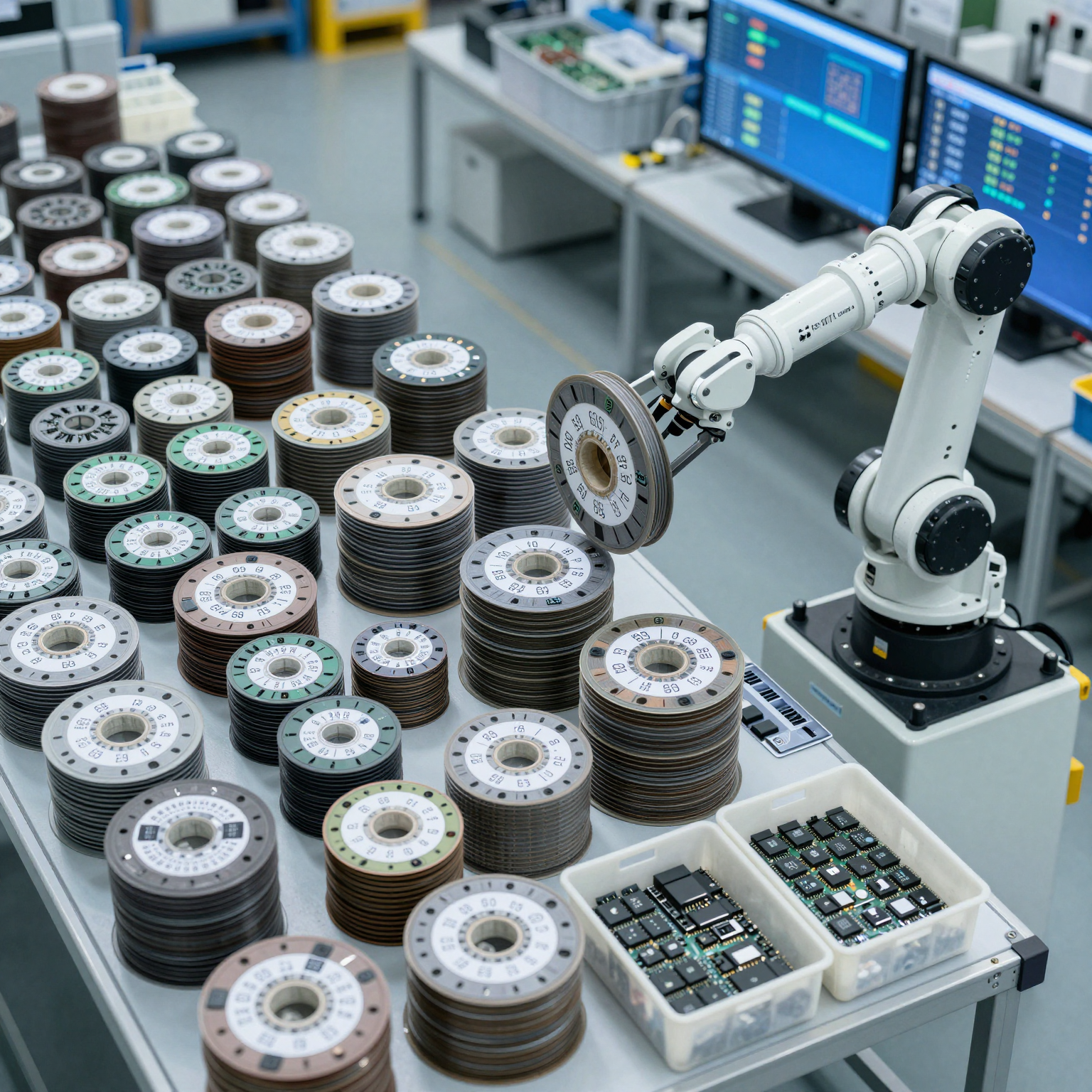
One of the biggest challenges in electronics manufacturing today is component availability. Global supply chain disruptions have made it difficult to source certain ICs, capacitors, and connectors.
Top-tier pcb assembly companies mitigate this risk by offering robust electronic component sourcing services. They maintain relationships with authorized distributors, manage alternative part substitutions (with engineering approval), and use inventory forecasting tools to avoid delays.
This capability is especially vital in turnkey manufacturing models where the client provides only the design files and bill of materials (BOM), leaving procurement entirely to the assembler.
4. Quality Assurance and Testing
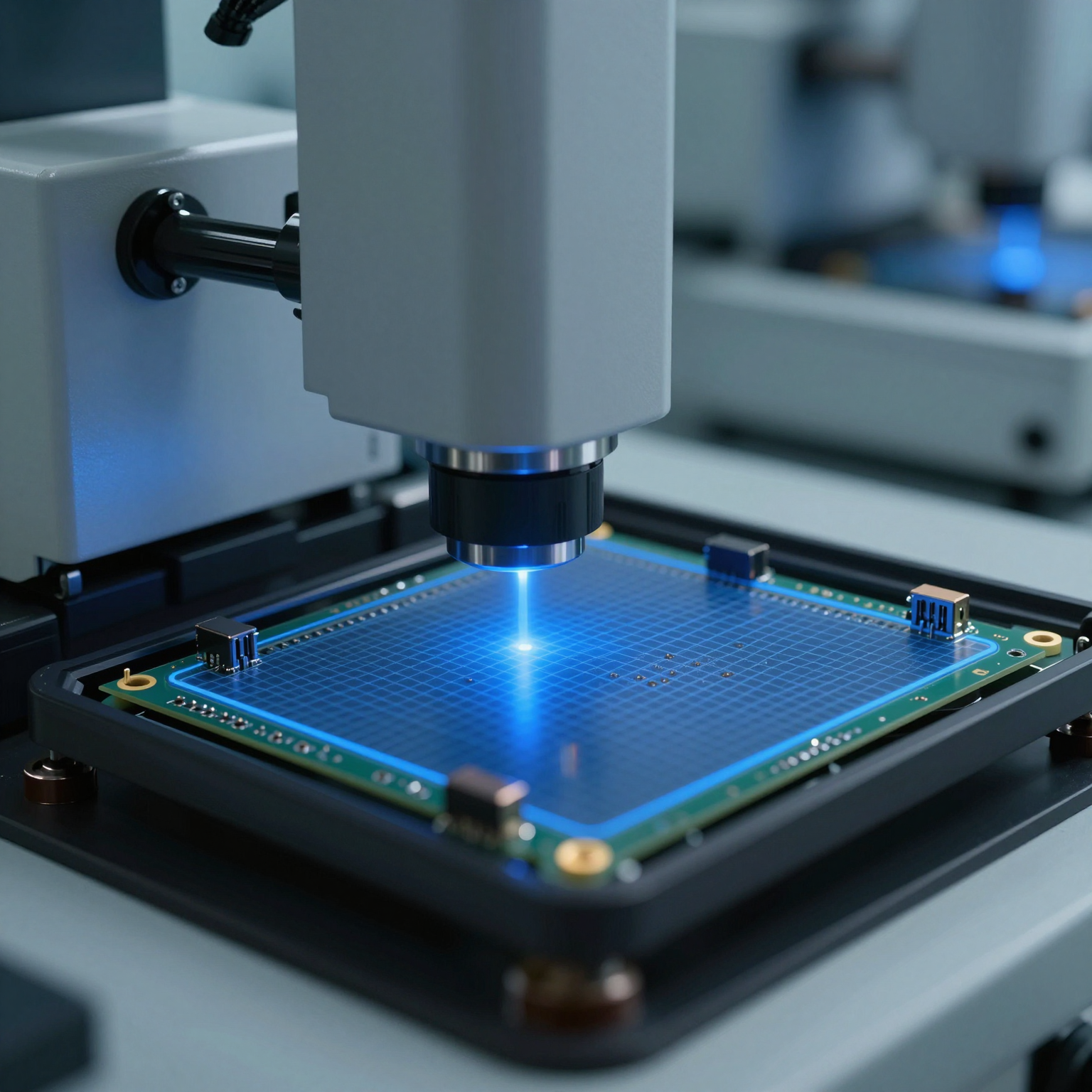
Reliability starts with rigorous quality control. Reputable pcb assembly companies implement multi-stage inspection and testing protocols such as:
- Automated Optical Inspection (AOI)
- X-ray inspection (for BGA and hidden joints)
- In-circuit testing (ICT)
- Functional testing
These steps help detect defects like solder bridging, tombstoning, missing components, or incorrect polarity early in the process, reducing rework costs and improving yield rates.
A structured approach like the 6-step quality control process ensures consistency across batches and adherence to IPC standards.
5. Advanced Technologies and Specialized Capabilities
As electronics become more complex, so do the demands placed on pcb assembly companies. Leaders in the field invest heavily in advanced technologies such as:
- High-Density Interconnect (HDI) boards
- Flexible and rigid-flex PCBs
- Micro-vias and buried vias
- Fine-pitch components and Ball Grid Arrays (BGAs)
Companies that master these processes can handle cutting-edge applications in wearables, medical implants, and aerospace systems. For example, HDI technology enables smaller form factors and improved signal integrity—critical in mobile devices.
If your project requires specialized expertise, make sure the company has proven experience in areas like BGA assembly challenges and RF PCB design.
How to Choose the Right PCB Assembly Company
With numerous pcb assembly companies competing globally, choosing the right partner involves more than comparing price quotes. Consider the following criteria:
1. Technical Expertise and Equipment
Evaluate whether the company uses state-of-the-art equipment and employs skilled technicians. Look for certifications like ISO 9001, IPC-A-610, and UL recognition, which indicate a commitment to quality.
Ask about their production capacity, maximum layer count, minimum trace width, and supported surface finishes (e.g., ENIG, HASL, immersion silver). These specs will determine if they can meet your technical requirements.
2. Scalability and Turnaround Time
Whether you need 10 prototypes or 100,000 units per month, your chosen partner should scale accordingly. Some pcb assembly companies excel at low-volume, high-mix runs, while others specialize in high-volume automation.
Also, assess lead times. Can they accommodate rush orders? Do they offer expedited services without compromising quality?
3. Transparency and Communication
Clear communication is essential, especially when issues arise during production. The best pcb assembly companies provide real-time updates, detailed documentation, and responsive customer support.
They should also offer design for manufacturability (DFM) feedback early in the process to prevent costly errors later.
4. Geographic Location and Logistics
While offshore manufacturing can reduce costs, it may increase shipping time and complicate logistics. Onshore or nearshore pcb assembly companies offer faster turnaround, easier collaboration, and better intellectual property protection.
However, many U.S.- and European-based companies now partner with overseas facilities to balance cost and speed. Hybrid models are increasingly common.
5. Customer Support and Value-Added Services
Beyond assembly, value-added services like conformal coating, potting, cable harness assembly, and system-level testing can streamline your supply chain.
Additionally, look for companies that offer engineering support, kitting options, and integrated supply chain management.
Industries Served by PCB Assembly Companies
The versatility of PCBs means that pcb assembly companies serve an incredibly diverse set of markets. Common sectors include:
- Medical Devices: Require strict regulatory compliance (FDA, ISO 13485), high reliability, and cleanroom assembly environments.
- Automotive: Demand AEC-Q100 qualified components and resilience under extreme temperatures and vibration.
- Industrial Controls: Need ruggedized designs and long-term availability of parts.
- Consumer Electronics: Prioritize miniaturization, cost-efficiency, and rapid time-to-market.
- Telecom & Networking: Rely on high-speed signal integrity, RF performance, and thermal management.
Each industry presents unique challenges, so ensure your selected pcb assembly company has relevant experience and certifications.
For more information on how different sectors benefit from tailored solutions, visit our page on industries served by PCB manufacturer.
Trends Shaping the Future of PCB Assembly Companies
The electronics manufacturing industry is undergoing rapid transformation driven by technological innovation and global dynamics. Here are some key trends influencing pcb assembly companies:
1. Automation and Smart Manufacturing
Industry 4.0 principles are being adopted widely, with smart factories leveraging IoT sensors, data analytics, and AI-driven predictive maintenance. Automated lines improve throughput, reduce human error, and enhance traceability.
2. Sustainability and Green Manufacturing
Environmental regulations are pushing pcb assembly companies toward lead-free soldering, recyclable materials, and energy-efficient processes. RoHS and REACH compliance is now standard in most developed markets.
3. Reshoring and Supply Chain Resilience
Recent geopolitical tensions and pandemic-related disruptions have prompted many companies to reconsider over-reliance on single-source suppliers. There's growing interest in reshoring or nearshoring production to reduce risk.
4. Design Complexity and Miniaturization
As devices get smaller and smarter, pcb assembly companies must adapt to tighter tolerances, higher component densities, and advanced packaging technologies like chip-on-board (COB) and system-in-package (SiP).
Conclusion: Partnering for Success
Choosing the right pcb assembly companies is not just about finding someone who can put components on a board—it's about building a strategic partnership that supports innovation, scalability, and long-term success.
Look for a provider that combines technical excellence, transparent communication, and a broad range of services—from initial prototyping to volume production and beyond. Whether you're launching a startup or managing a mature product line, the right partner can make all the difference.
To explore how we can support your next project, learn more about becoming a trusted partner with a proven PCB assembly manufacturer, or get a PCB quote today.
